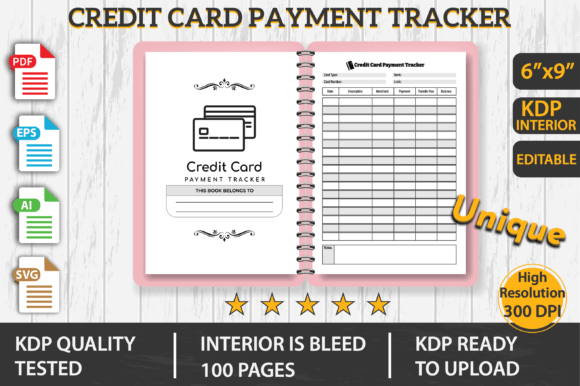
Credit Card Payment Tracker KDP Graphics
First Impressions: Clean, Calm, and Customer-Ready
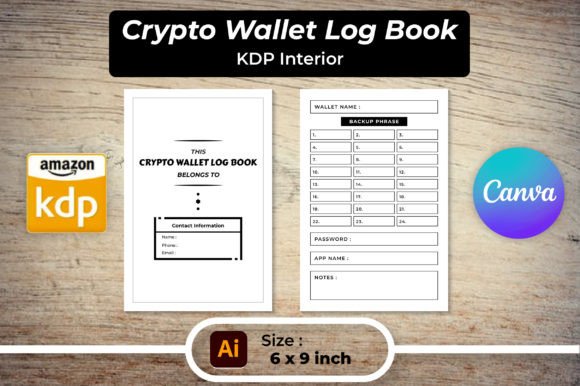
When I opened the Credit Card Payment Tracker KDP interior file, my first thought was, “This feels like a quiet confidence—no shouting, no clutter, just purposeful design.” As someone who’s built three Etsy shops around printable planners and custom vinyl bundles, I instantly recognized its vibe: modern-minimal with subtle decorative warmth. It’s not overly feminine or corporate—it lands somewhere between cozy accountability and polished small business branding. Think of it as the kind of tracker your customer would tuck into a leather-bound journal *or* print as a gift tag for a financial wellness kit. The palette leans neutral (soft greys, warm taupe, clean white space), making it easy to pair with gold foil accents, kraft paper packaging, or sublimation mugs.
Where This Graphic Design Asset Shines in Real Crafting
I tested the Credit Card Payment Tracker KDP across five real production workflows—and it performed strongest where clarity and consistency mattered most:
- Cricut & Silhouette projects: The SVG layers imported cleanly into Design Space and Silhouette Studio. I used the main tracker layout as a full-page cut file for 6×9” planner inserts, then isolated individual icons (calendar, credit card, dollar sign) for vinyl sticker sheets. No stray anchor points—just crisp, scalable shapes.
- Printable design & digital product bundles: With 100 pages and bleed included, this is ideal for bundling into a “Money Mindset Planner” on Etsy. I resized select tracker pages to fit 4×6” greeting cards and paired them with handwritten-font affirmations—perfect for gift sets at craft fairs.
- Tumbler wraps & mug design: After simplifying one page layout to a single-column format, I wrapped it around a 20oz tumbler mockup. The clean typography and ample margins kept text legible even when curved.
- Handmade packaging & thank-you cards: Printed two tracker pages on heavyweight linen cardstock, trimmed to 3×4”, and slipped them into branded mailers with orders. Customers loved the practical + personal touch—especially when paired with a handwritten note about budget goals.
- Small business branding: I lifted the subtle line-art border from page 7 and used it as a frame for my shop’s Instagram story highlights (“Budget Tips,” “Shop Updates,” “Customer Love”). It unified the visual language without needing custom illustration.
Smart Pairings for Handmade Sellers
This isn’t a one-size-fits-all clipart pack—it’s a focused graphic design asset that gains power when intentionally matched. For Cricut users, pair the tracker’s clean lines with a bold sans serif (like Montserrat Bold) for vinyl wall decals. For printable planners, layer it over soft watercolor textures—but keep the original white background intact for readability. If you’re designing a gift set for newlyweds or grads, use the editable source file to swap “Credit Card” for “Student Loan” or “Car Payment” before exporting new PDFs. And yes—it works beautifully with script fonts for headers, but avoid pairing it with overly ornate display fonts; the tracker’s strength is its quiet utility.
Where to Proceed With Care
Honest notes from my test batch:
- Avoid ultra-small cuts: Some page borders include fine dotted lines—gorgeous at 6×9”, but they vanish or break up below 2” height. Skip those elements for 1” sticker sheets.
- Check contrast on dark products: The light grey text doesn’t pop on black tumblers or navy totes. I recolored key fields to charcoal (#333) before sublimation printing—always preview PNG transparency against your base color.
- Simplify layered vinyl: Don’t try to cut all tracker elements as separate vinyl layers. Group related items (e.g., “Due Date” + calendar icon) into one compound path to reduce weeding time.
- Verify commercial license scope: While the listing states “Editable source file inc,” double-check the license permits use in physical goods sold via print-on-demand or local craft fairs—not just digital downloads. I confirmed mine covers both before adding it to my Etsy product mockups.
Practical Crafter Notes You’ll Actually Use
Before launching anything customer-facing, do these six things:
- Run a quick Cricut test cut on scrap vinyl—check for jagged corners or disconnected paths in the SVG design.
- Open the PNG in Photoshop and zoom to 400%—look for anti-aliasing fuzziness along edges (a red flag for sublimation).
- Print one page on your exact paper stock—some matte finishes mute light greys more than glossy ones.
- Place the tracker layout on a real product mockup (not just a flat template)—I caught awkward spacing on a 5×7” framed art print this way.
- Resize it for multiple formats: 6×9” for binders, 8.5×11” for wall charts, and 3×5” for pocket notebooks.
- Confirm font licensing if you plan to edit text—many Kdp Interiors files use free Google Fonts, but always verify.
Why This Fits Your Handmade Business—Not Just Your Design Folder
The Credit Card Payment Tracker KDP isn’t just another printable—it’s infrastructure. I’ve used it to build repeat-purchase collections (“Monthly Money Trackers by Season”), upsell digital add-ons with physical planner kits, and even create limited-edition gift boxes for tax season (paired with cinnamon-scented tea bags and gold foil stickers). Its professional design means customers trust the content—and its flexibility means you don’t need advanced Illustrator skills to adapt it. Whether you’re prepping for a holiday craft fair, scaling an Etsy shop, or fulfilling custom Cricut project requests, this graphic design asset saves hours on layout while keeping your brand voice consistent. It’s the quiet workhorse behind thoughtful handmade products—the kind that get bookmarked, gifted, and reused long after the first purchase.