Botanical Line Drawing Graphics & Coloring Pages
A Brand Designer’s Real-World Review for Local Business Use
As a brand designer who’s helped over 80 small businesses—from neighborhood bakeries to handmade soap studios—build cohesive, shelf-ready identities, I approached Botanical Line Drawing, Botanical Art. not as clipart, but as a potential graphic design asset for real-world commercial use. My test case? A local apothecary launching a seasonal line of lavender-honey body oils. We needed packaging that felt organic, handcrafted, and quietly elegant—not generic or mass-produced. That’s where this asset had to earn its place.
Mood, Personality, and Brand Fit
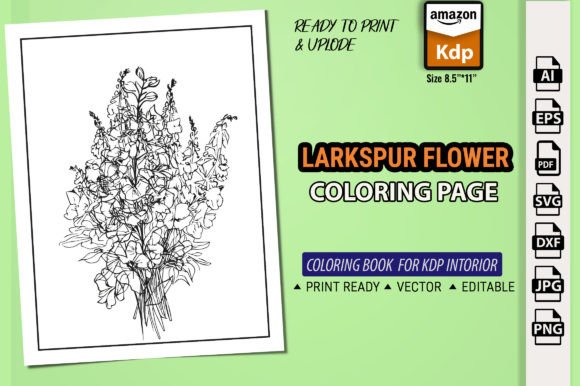
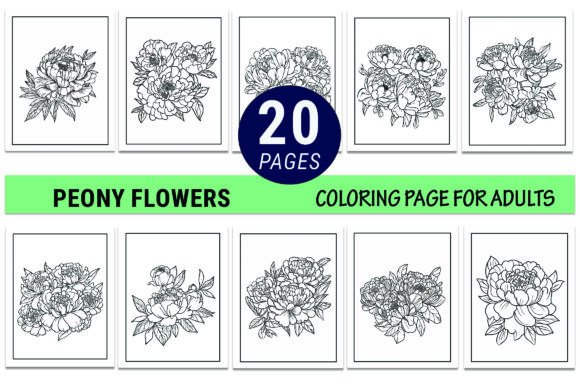
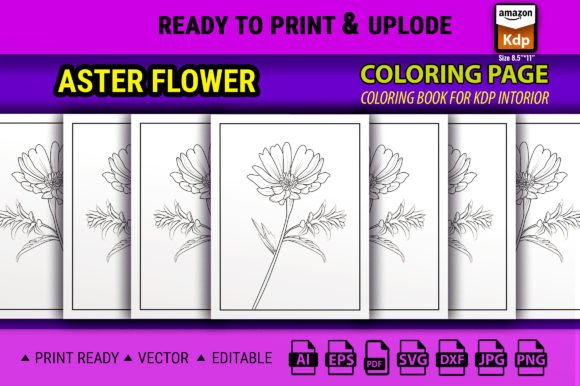
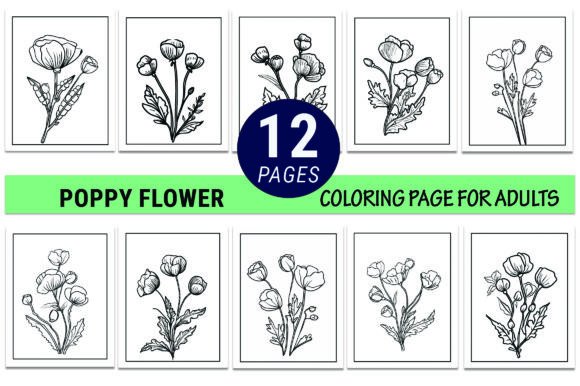
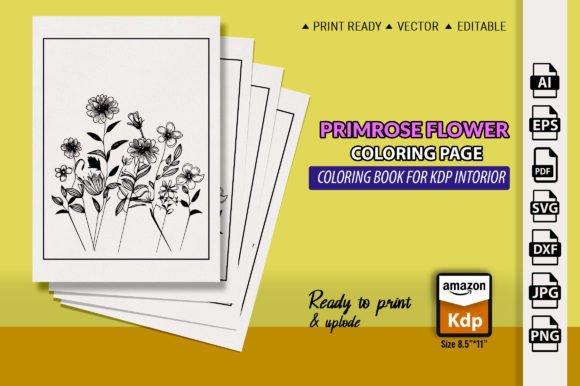
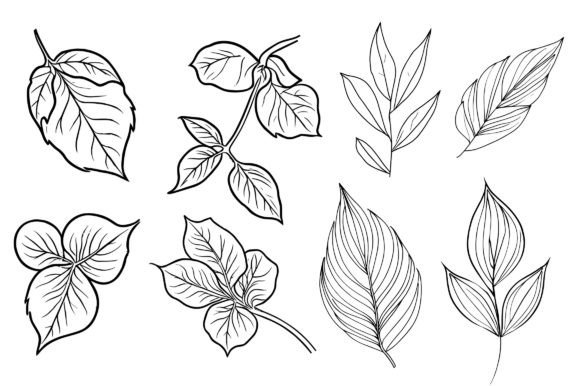
At first glance, Botanical Line Drawing, Botanical Art. reads as soft, intentional, and botanical-first—think delicate stems, open blossoms, and rhythmic linework rather than bold silhouettes or heavy shading. It leans into organic elegance, not rustic charm or playful whimsy. It suggests calm confidence—not loud, not trendy, but grounded in nature and craft. For a skincare brand, florist, boutique tea shop, or slow-food producer, it signals authenticity without leaning into cliché. It doesn’t feel like stock; it feels like something you’d sketch in a field notebook—refined, but never sterile.
Where It Strengthens Real Local Business Branding
This isn’t just a coloring page—it’s a versatile design asset with surprising utility across touchpoints:
- Packaging design: Used as a subtle border on product labels, a repeating pattern on kraft paper boxes, or a focal element on front-of-pack hang tags for handmade candles or herbal teas.
- Product label integration: Works beautifully alongside clean typography—especially when scaled down to frame ingredient lists or certifications (e.g., “Organic,” “Small Batch”) without competing for attention.
- Social media graphics: Serves as a consistent decorative anchor across Instagram posts, Pinterest pins, and email headers—reinforcing visual hierarchy while keeping focus on product photography.
- Printable inserts & thank-you cards: Its 8.5×11” vector format makes it ideal for branded inserts inside subscription boxes or boutique purchases—adding warmth and intentionality to the unboxing experience.
- Seasonal campaign visuals: Easily recolored for spring launches (mint + cream), summer (terracotta + linen), or autumn (sage + oat)—supporting cohesive, emotionally resonant marketing visuals without redesigning from scratch.
What This Asset Delivers for Small Business Presentation
When applied thoughtfully, Botanical Line Drawing, Botanical Art. directly supports five critical business outcomes:
- Stronger first impression: On crowded shelves or social feeds, its quiet precision cuts through noise—not by shouting, but by signaling care in craft.
- Better product recognition: Repeated use across labels, stickers, and web banners builds familiarity faster than standalone logos alone.
- Clearer visual hierarchy: Its linear quality naturally frames text and photos—guiding the eye without overwhelming.
- More consistent brand identity: As a scalable vector, it adapts seamlessly from tiny jar labels to large window decals—no pixelation, no style drift.
- Improved customer trust: Hand-drawn authenticity paired with professional execution tells customers: “This is made with intention—and designed with respect.”
Where It Shines—and Where to Proceed With Care
Botanical Line Drawing, Botanical Art. excels in:
- Product labels with breathing room (e.g., glass apothecary jars, ceramic soap containers)
- Packaging accents—like ribbon seals, belly bands, or foil-stamped details
- Hero graphics for website banners or seasonal landing pages
- Decorative brand elements in Canva templates or editorial design layouts
- Social media campaign graphics where mood > message density
Use cautiously in:
- Formal corporate branding (e.g., law firms, financial advisors) — its softness may undermine authority
- Very small labels (<1.5” height) — fine linework risks blurring or disappearing at scale
- Crowded packaging layouts — it needs contrast and space to breathe
- Ingredient-heavy or regulatory-dense areas — never place it over required legal text
- Luxury minimalist brands — if your aesthetic relies on stark negative space, this adds texture you may not want
Practical Brand Designer Notes You Can’t Skip
Before committing to Botanical Line Drawing, Botanical Art. for client work or your own small business branding, run these checks:
- Test it on real product mockups—not just digital previews. Does it hold up on matte kraft paper? Does it read clearly on amber glass?
- Check black-and-white usage: Will it reproduce cleanly on thermal receipt printers or monochrome flyers?
- Preview it on small labels—zoom to actual size. Are stem tips legible? Do leaves merge into one blob?
- Test it with your full brand palette—does it harmonize with your primary and accent colors, or fight them?
- Compare side-by-side with competitor packaging. Does it differentiate—or blend in?
- Verify print quality: Vector files should scale infinitely—but confirm SVG or AI layers are editable, not flattened.
- Review PNG transparency: If using raster versions, ensure clean edges and alpha channels for seamless layering.
- Test typography pairings: Try it beside serif (e.g., Playfair Display), sans serif (e.g., Inter), script (e.g., Pacifico), and handwritten fonts—does it support or distract?
- Confirm commercial license: This is non-negotiable. Ensure rights cover physical product sales, packaging, and promotional use—not just personal coloring pages.
Final Thought: A Tool, Not a Template
Botanical Line Drawing, Botanical Art. isn’t a shortcut—it’s a thoughtful, adaptable digital product that earns its place only when aligned with your brand’s voice, audience expectations, and production reality. For local businesses building real relationships—not viral moments—it offers quiet strength: the kind that makes customers pause, recognize, remember, and return. Used with intention, it’s less decoration—and more declaration.