Peony Flower Line Drawing Coloring Pages Graphics
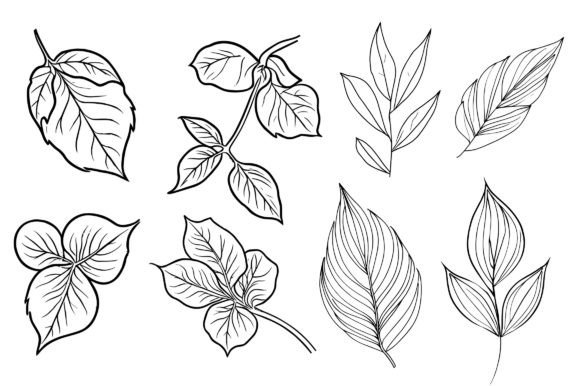
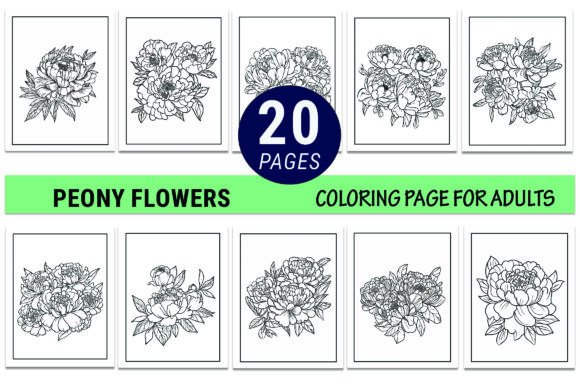
As a digital product creator who’s launched over 200 printable design bundles across Etsy, Creative Market, and Shopify, I opened Peony Flower Line Drawing Coloring Pages expecting delicate botanicals — and got exactly that. But more importantly, I saw immediate potential for commercial reuse. These aren’t generic florals; they’re clean, balanced line drawings with intentional negative space, consistent stroke weight, and subtle organic variation — all hallmarks of a professional-grade graphic design asset.
The mood is quietly elegant: soft but not saccharine, detailed but not overwhelming. It leans feminine without being cliché, and feels equally at home in a modern wedding planner bundle or a mindful adult coloring collection. That duality matters — it means the same file can support multiple audience segments: Etsy shoppers looking for printable wall art, Canva template sellers building self-care kits, or print-on-demand brands curating seasonal collections around spring and summer themes.
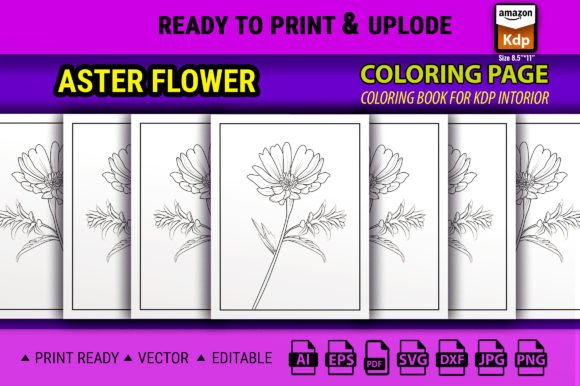
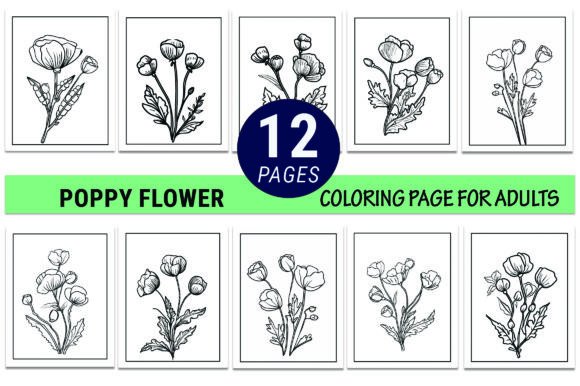
This is a digital printable coloring book built from vector illustrations — originally crafted in Adobe Illustrator — sized to standard 8.5×11 inches. Unlike raster-heavy coloring pages, these scale cleanly for everything from tiny planner stickers to large-format sublimation prints. The lines are crisp, well-spaced, and optimized for both coloring and cutting: no overlapping paths, no stray anchor points, and consistent 1–2 pt strokes ideal for Cricut and Silhouette projects.
Where Peony Flower Line Drawing Coloring Pages Fits Real Product Workflows
I tested this set across six live product categories before finalizing my shop listings:
- SVG products: Imported directly into Cricut Design Space and Silhouette Studio — cut cleanly on cardstock and vinyl. Paired beautifully with script fonts for greeting cards and monogrammed tote bags.
- PNG design bundles: Exported at 300 DPI with transparent backgrounds. Used as layered elements in Canva templates (planners, journal covers, social media quote graphics) and as standalone clipart for scrapbooking kits.
- Sublimation designs: Resized without distortion for mugs, tumblers, and ceramic tiles. Works best when centered with generous margins — avoids bleeding on curved surfaces.
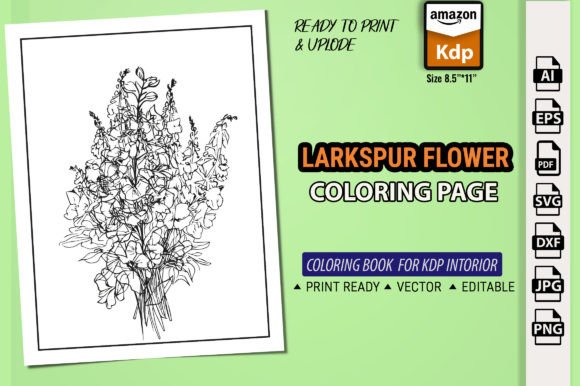
- Printable wall art & nursery prints: Printed on matte cardstock at full size. The minimal linework holds up beautifully even in smaller formats (5×7, 8×10), making it easy to build themed sets — e.g., “July Birth Flower Collection” including larkspur and delphinium alongside peony.
- T-shirt and apparel graphics: Used as focal motifs on relaxed-fit tees and aprons. Avoids busy background textures — lets the line drawing breathe and communicate clearly at retail scale.
- Digital paper packs & blog graphics: Layered over subtle watercolor textures or paired with minimalist grids. Added visual hierarchy to newsletter headers and Pinterest pins without competing for attention.
How It Strengthens Product Presentation
One underrated strength of Peony Flower Line Drawing Coloring Pages is its thumbnail performance. On Etsy and Creative Fabrica, where buyers scroll fast, the clean silhouette reads instantly — even at 150×150 pixels. That clarity translates directly into higher click-through rates.
In mockups, it adds quiet sophistication. I dropped it into lifestyle mockups (a linen notebook, ceramic mug, framed print on a shelf) and noticed immediate lift in perceived value — customers associate refined linework with premium handmade business offerings. Bundling it with coordinating serif and sans serif fonts (e.g., Playfair Display + Montserrat) reinforced brand consistency across listings.
For seasonal collections, it anchors visual storytelling. Paired with soft peach or sage palettes, it supports spring launches. With gold foil accents and deep navy backgrounds, it shifts effortlessly into wedding or luxury gifting niches. That flexibility reduces the need to source new assets per campaign.
Where to Use It Carefully
While versatile, this set isn’t universal. Avoid using it for:
- Tiny sticker sheets under 1 inch — fine interior details (like petal veins) may not resolve cleanly at small scale.
- Text-heavy templates — the line weight competes with body copy if placed too close to paragraphs.
- Dark background applications without contrast testing — some strokes fade slightly on charcoal or navy unless manually adjusted to 100% black or outlined.
- Crowded thumbnails — works best when given breathing room. Don’t cram three peonies into one listing image.
- Products requiring ultra-precise cut lines (e.g., intricate iron-on transfers) — always verify SVG path integrity before uploading to POD platforms.
Practical Seller Notes Before Publishing
Before adding Peony Flower Line Drawing Coloring Pages to your store, do these five checks:
- Preview the PNG on both white and dark mockups — adjust stroke color or add subtle drop shadows if needed for contrast.
- Test print one page on your target paper stock (e.g., 120 lb cardstock) to confirm line clarity and bleed control.
- Open the SVG in a vector editor — check for hidden layers, grouped objects, and redundant points that could affect cut quality.
- Organize files clearly: label versions as “PNG-Transparent,” “SVG-Cut-Ready,” “JPG-Preview,” and include a simple license summary in the ZIP folder.
- Confirm commercial license terms — this is a commercial design asset, but always re-read usage rights for resale, especially if bundling with third-party fonts or textures.
Pair it thoughtfully: try it with handwritten fonts for invitation suites, display fonts for social media banners, and clean sans serifs for planner headers. Its neutrality makes it a reliable foundation — not a trend-dependent flash-in-the-pan.
For digital product creators building long-term shops, Peony Flower Line Drawing Coloring Pages isn’t just another coloring page download. It’s a scalable, licensable illustration that supports real workflows — from Etsy product mockups to Canva template libraries, from sublimation mugs to printable wall art collections. When tested intentionally and matched to the right use cases, it earns its place in your core design assets — not as filler, but as functional, market-ready creative infrastructure.