Primrose, Primula Denticulata Graphics & Coloring Pages
As a digital product creator who’s launched over 200 Etsy listings and scaled print-on-demand collections across Creative Fabrica and Shopify, I tested Primrose, Primula Denticulata Drawings last week while building a spring-themed digital download shop. My goal? To assess whether this asset delivers real commercial flexibility—not just aesthetic charm—across coloring pages, SVG products, Canva templates, and merchandise-ready graphics.
First Impression: Elegant, Botanical, and Niche-Ready
The moment I opened the files, I noticed clean vector linework, balanced negative space, and botanical accuracy that leans into quiet sophistication—not cartoonish or overly stylized. These aren’t generic “flower clipart.” They’re detailed Primula denticulata illustrations: layered petals, subtle leaf veining, and naturalistic stem curvature. The mood is calm, feminine, and gently scholarly—ideal for adult coloring book buyers, wellness brands, stationery lovers, and cottagecore-leaning small business branding.
This isn’t bold or festive—it won’t dominate a holiday tumbler wrap. But it excels where refinement matters: printable wall art for nurseries or home offices, planner stickers with soft contrast, greeting cards for botanical weddings, or elegant Canva invitation templates. It feels handmade without sacrificing scalability—a rare balance in vector illustration.
Real-World Product Testing: Where It Shines
I ran Primrose, Primula Denticulata Drawings through six practical use cases before finalizing my listing:
- SVG Design for Cricut Projects: Cut lines were crisp at 3x scale; no stray anchor points or overlapping paths. Ideal for vinyl decals on mugs, tote bags, or framed nursery prints—especially when layered with light watercolor textures.
- PNG Design for Digital Downloads: Transparent PNGs rendered cleanly against white and off-white backgrounds. Used them as standalone planner stickers (2” size) and as decorative elements in printable habit trackers—no pixelation or haloing.
- Sublimation Design Compatibility: Tested on a mockup of a ceramic mug. The fine linework held up well at 300 DPI output—no blurring in petal edges—making it viable for sublimation shops targeting gardeners or tea enthusiasts.
- Canva Template Integration: Paired one primrose motif with a serif font (Cormorant Garamond) and a muted sage palette. Instantly elevated a free Canva blog graphic template into a premium-looking social media post for a herbal apothecary brand.
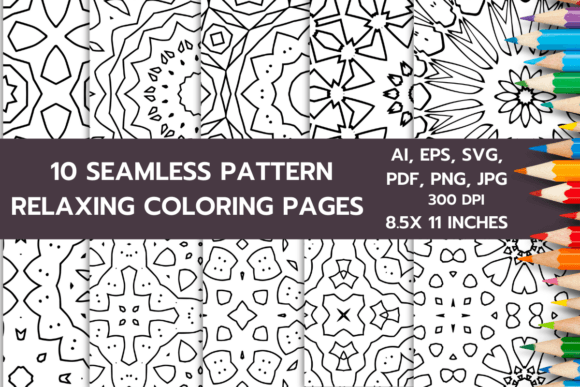
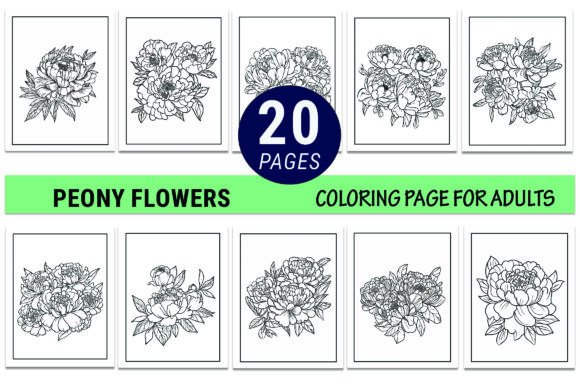
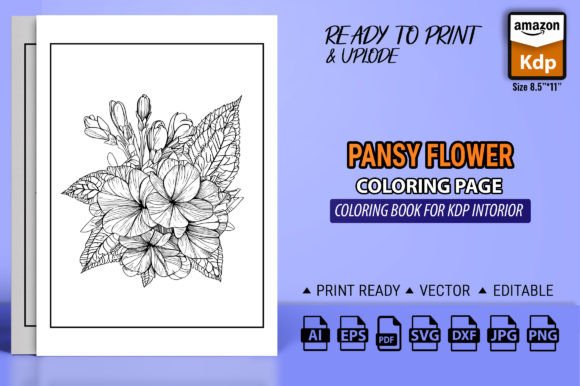
- Coloring Page Utility: This is a digital printable primrose flower coloring book for adults, designed for KDP interior use—but the vectors translate seamlessly to printable PDFs. Lineweights are consistent (0.75 pt), avoiding faint strokes that vanish on home printers.
- Design Bundle Cohesion: Bundled three primrose variants with two complementary fern illustrations. Created instant visual hierarchy in the Etsy thumbnail—soft floral rhythm, not visual noise.
Where It Strengthens Your Product Presentation
Primrose, Primula Denticulata Drawings improves perceived value fast. In marketplace thumbnails, its delicate detail reads as “hand-drawn,” boosting trust over generic clipart. On mockups, it adds quiet authority—think: a linen-wrapped journal cover or a minimalist tea towel preview. For seasonal bundles (spring launch, Mother’s Day, wedding stationery), it anchors cohesive visual storytelling without demanding attention.
It also supports brand consistency. When used across packaging design, social media graphics, and digital paper packs, the same botanical motif becomes a subtle signature—especially when paired with a restrained color palette and thoughtful typography pairings (I recommend pairing it with a clean sans serif like Inter for labels, and a gentle script like Qwitcher Glyph for invitations).
Cautions Before You Publish
This isn’t a one-size-fits-all graphic design asset. Avoid using it where precision or contrast is non-negotiable:
- Don’t shrink it below 1.5” for sticker sheets—fine petal lines blur or disappear on low-res cuts.
- Don’t place it directly over dark or busy backgrounds without testing contrast; some stems lack enough weight for legibility on navy or charcoal.
- Don’t assume all files are optimized for Cricut’s “simple cut” mode—verify SVG layer grouping and ungroup any compound paths before uploading to Design Space.
- Don’t embed it into text-heavy templates unless you adjust spacing—its organic flow competes with dense body copy.
Practical Seller Notes You’ll Actually Use
Before listing anything built from Primrose, Primula Denticulata Drawings, do these five things:
- Test print one page on your target printer—check line clarity and ink bleed on matte vs. glossy stock.
- Preview the thumbnail at 120×120 px (Etsy’s mobile thumbnail size)—does the central bloom still read clearly?
- Drop the PNG onto black and white mockups—confirm transparency is fully intact and no gray fringing appears.
- Open the Illustrator file and verify all layers are named and organized (e.g., “Bloom_Layer,” “Leaves_Group”)—this saves hours when customizing for clients.
- Double-check the commercial license includes finished-product rights for print-on-demand, physical goods, and digital downloads—not just resale of the raw files.
In short: Primrose, Primula Denticulata Drawings is a quietly powerful graphic design asset. It won’t go viral on TikTok, but it builds trust, supports thoughtful branding, and scales reliably across coloring pages, SVG designs, Canva templates, and merchandise. For sellers prioritizing longevity over virality—and audience resonance over algorithmic flash—it’s a strategic addition to your design assets library.