Number Mandala Coloring Pages
A Designer’s First Glance: Calm, Clear, and Quietly Confident
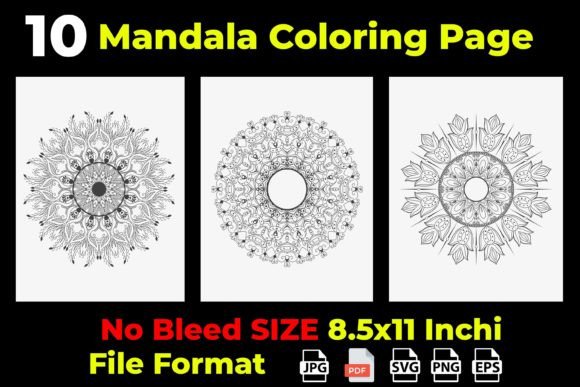
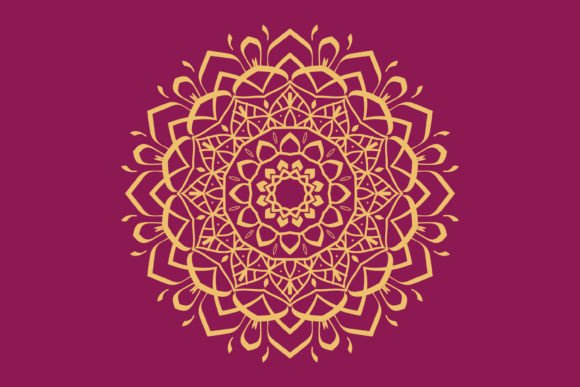
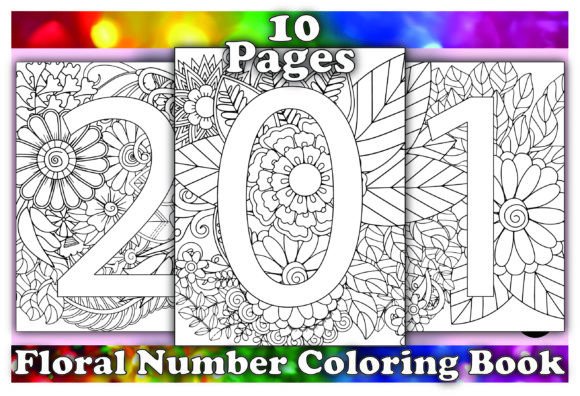
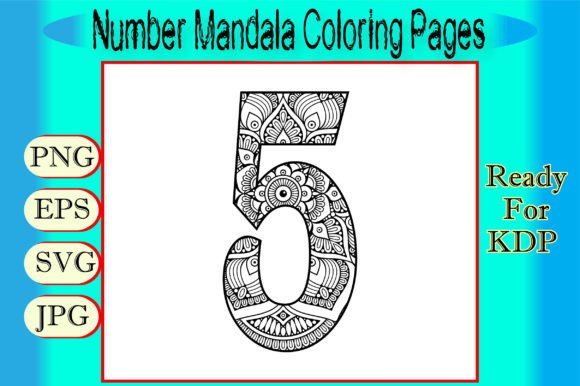
When I opened Number Mandala Coloring Pages, my first thought wasn’t “pretty” — it was “purposeful.” The symmetry feels intentional, not decorative for decoration’s sake. Each number sits at the heart of a gentle radial pattern — not overly intricate, but with enough layered curves and subtle repeats to hold attention without overwhelming. It reads as both meditative and grounded: ideal for adults seeking focus, kids building number recognition, and crafters wanting clean, meaningful visuals. As an embroidery designer, I immediately saw how this would translate to stitch — especially on natural fibers like cotton canvas, linen tea towels, or midweight denim tote bags.
Real-World Test: Embroidering a Personalized Baby Onesie
Last week, I used one variation of Number Mandala Coloring Pages (the “3” design) as the centerpiece for a custom baby onesie — a gift for a friend’s third child. I digitized it myself into a compact 3.2" hoop-friendly machine embroidery design, keeping line weight consistent and avoiding ultra-thin strokes that vanish under satin stitch. On soft organic cotton, the mandala held its shape beautifully: the outer loops read clearly, the inner number stayed legible even at small scale, and the rhythm of the pattern gave the finished product a handmade warmth — not a clip-art afterthought. Parents loved it. Not because it was flashy, but because it felt *considered*.
Where It Shines — And Where It Needs Care
Number Mandala Coloring Pages excels in projects where clarity, calm, and quiet symbolism matter:
- Tote bag designs — centered on the front panel, it reads well from a distance and pairs effortlessly with minimalist branding;
- Sweatshirt embroidery — especially on heather gray or oatmeal fleece, where the balanced negative space prevents visual heaviness;
- Embroidered patches — when stitched onto denim jackets or backpacks, the mandala’s geometry gives structure without stiffness;
- Nursery decor — think pillow covers or framed hoop art; the number-as-centerpiece concept adds personal meaning without cliché;
- Holiday or milestone gifts — a “7” for a seventh birthday, a “12” for a dozen years of marriage — it’s quietly sentimental, not saccharine.
That said, proceed thoughtfully with:
- Stretchy fabrics — like knits or lightweight jersey — where dense fill areas may pucker without proper cutaway stabilizer;
- Dark fabric backgrounds — test thread colors carefully; light tans or heathers often lift the design more gracefully than stark white on black;
- Curved surfaces — caps or curved apron pockets — simplify outer loops or reduce stitch density to avoid distortion;
- Small hoop sizes under 4” — some versions include finer interior lines; zoom in before digitizing to ensure those won’t collapse into mud under dense satin stitch;
- Frequent-wash items — like kitchen towels or baby bibs — confirm your thread choice (polyester vs. rayon) and stitch density support durability.
What It Does for Your Craft Business — Beyond Aesthetics
As an Etsy seller and small shop owner, I judge design assets by how they affect customer trust and perceived value. Number Mandala Coloring Pages supports both. Its balanced proportions and intentional spacing signal professionalism — not just “I found a free graphic online.” When stitched cleanly onto a linen apron or embroidered patch, it elevates the entire handmade product. Buyers notice that. They associate that care with your brand — whether you’re selling digital embroidery files, finished apparel, or printable mockups for other designers.
It also works quietly across audiences: a teen might choose the “16” for their graduation cap; a teacher might use the “24” for classroom wall art; a boutique owner could pair the “1” with “First Birthday” lettering on a keepsake blanket. That flexibility makes it smart inventory — not a one-off trend piece.
Practical Notes Every Embroidery Designer Should Check
Before stitching Number Mandala Coloring Pages into your next project, do these five things:
- Test on scrap fabric first — especially if using textured weaves (like burlap or heavy twill) where fine lines may disappear;
- Review stitch density — if digitizing yourself, avoid overloading inner rings with fill stitch; running stitch outlines often read cleaner at small scale;
- Confirm licensing terms — since this is labeled “print-ready for Amazon KDP Interior,” verify whether commercial embroidery rights are included if you plan to sell finished embroidered goods;
- Check contrast in black-and-white mockups — does the number remain distinct when viewed as a silhouette? That’s how it’ll read on dark fabric or low-res previews;
- Use appropriate stabilizer — medium-weight cutaway for stable wovens, tear-away for lighter cottons, and always test hooping tension to prevent shifting in symmetrical layouts.
Final Thought: Design With Intention, Not Just Decoration
Number Mandala Coloring Pages isn’t a “busy background” or a filler graphic. It’s a quiet anchor — a visual pause button. That’s rare in today’s oversaturated craft market. When translated thoughtfully into embroidery — whether as a delicate satin-stitched number on a silk scarf or a bold fill-stitch motif on a canvas tote — it carries intention. It tells your customer: *This wasn’t slapped on. It was chosen. It means something.*
For embroidery designers, Etsy sellers, and creative entrepreneurs building real products — not just pixels — that kind of thoughtful resonance is worth more than any trend. Use Number Mandala Coloring Pages where calm clarity matters most. Stitch it where meaning lives in the details.